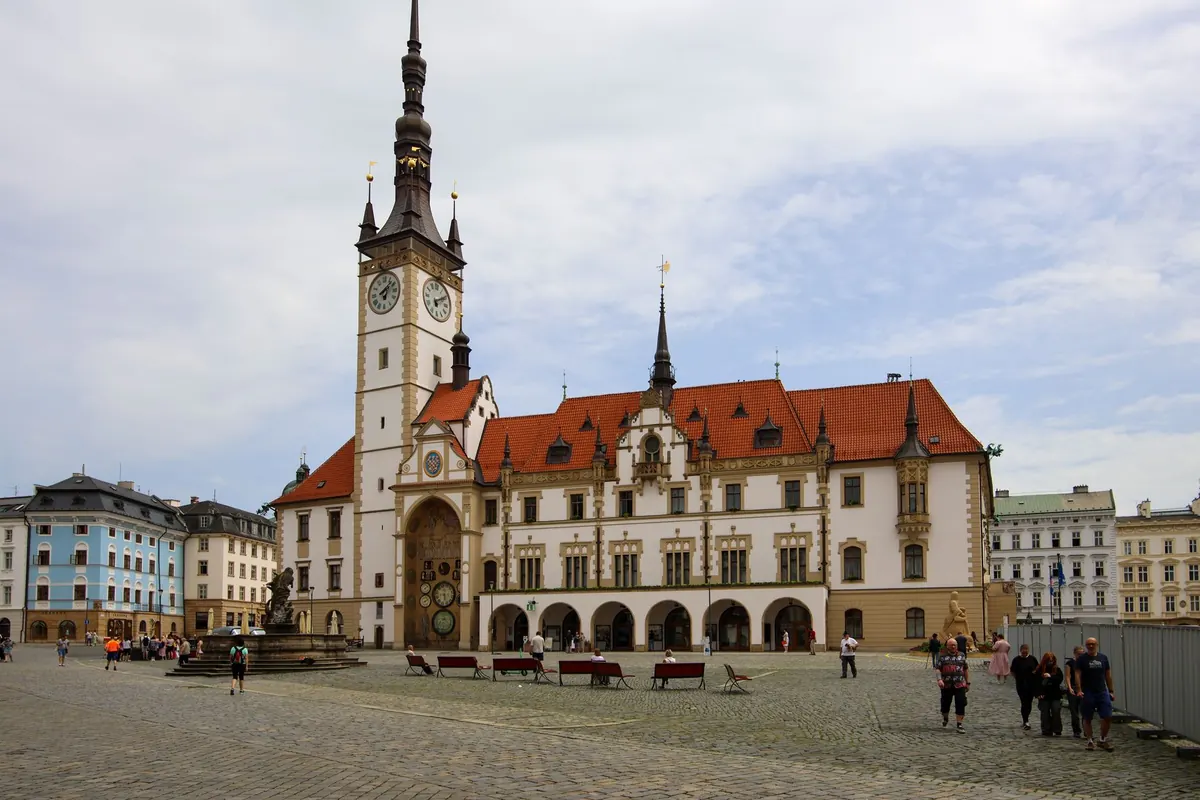
Common Mistakes Travelers Make in Italian Piazzas and How to Avoid Them
Somewhere between the station and the third coffee, most visitors stop seeing a piazza as a place and start treating it as a set: a backdrop for a photo, a bench for a sandwich, a shortcut to the next sight. Italians notice this at once — not because they are easily offended, but because the square is the one room in town that everybody shares. Learn a handful of small rules and it opens up. The waiter remembers your order, the old men on the bench nod, the light seems better, and you stop feeling like you are standing in the way.
What follows is not about being invisible or perfect. It is about the recurring habits that cause friction, and the easy swaps that fix them.
Sitting Where the City Would Rather You Didn't
The most common misstep is also the most innocent: sitting down wherever there is a ledge. Church steps, the rim of a fountain, the base of a monument, the low wall around a memorial. In some squares this is tolerated, in others it draws a sharp look, and in quite a few historic centres it is formally discouraged by local ordinance — with signs in Italian and English that most people read only after they have settled in.
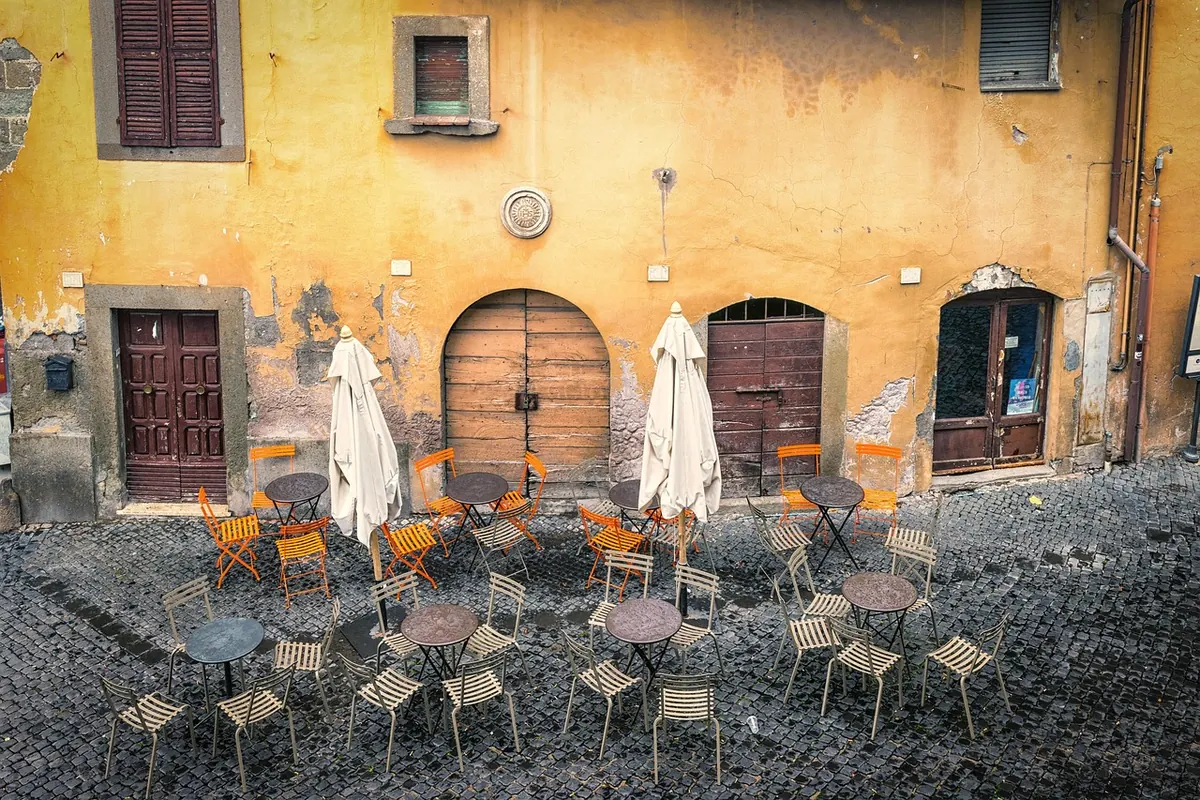
The fix is simple. Glance around before you commit your weight. If there is no bench and no café, walk on; the next square is usually five minutes away. If you need to rest, lean for a moment against a wall rather than turning a monument into furniture. And if you want to sit properly, sit properly: a café chair is a fair transaction. Order something, take your time, and enjoy the fact that you are paying for the view rather than borrowing it.
The fountain deserves its own note, because travellers tend to blur two very different things. The small cast-iron fontanelle found along streets and at the edge of squares are drinking fountains, and using them to fill a bottle is normal and welcome. The ornamental fountain in the middle of the piazza is another matter entirely: a closed, treated system, often centuries old and expensive to maintain. Feet in it, bottles in it, sun cream in it — that is exactly what the locals are watching for. And no swimming, whatever the temperature.
Standing at the bar, sitting at the table
One related confusion trips up almost everyone. In an Italian café, the price of a coffee depends on where you drink it. Standing at the counter is the cheapest and fastest; a table with service costs more, sometimes considerably. Neither is a trick, but you should decide before you order, not after. Decide, take a seat or stay at the bar, and pay at the till or with the waiter according to how the place works. Nobody minds which you choose. They mind the negotiation afterwards.
The Photograph That Stops a Whole Square
Crowds in a piazza move like water around stones. The visitor who stops dead at the top of a flight of steps to frame a shot creates an instant eddy, and the people behind have to break step around a person who is, for eight seconds, a piece of street furniture. Step to the side first. Then shoot.
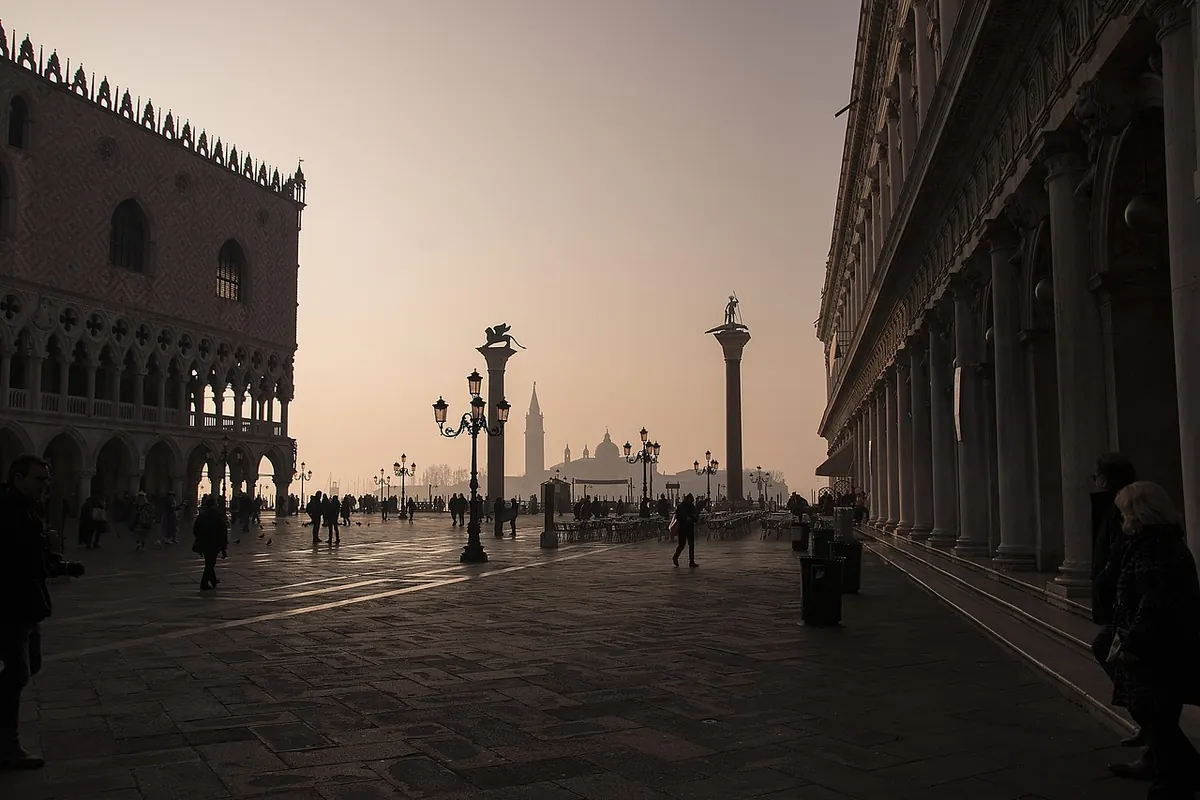
Timing helps more than any lens. Historic squares are at their emptiest shortly after sunrise and their loveliest in the hour before dusk, when the stone gives back the heat of the day and the façades turn the colour of weak tea. Midday in July is neither. If you want the classic photograph, set an alarm rather than fight a thousand shoulders.
Two practical notes. Tripods and drones are restricted or banned in many historic centres, and permission is not something you can sort out on the spot — check before you unpack. Inside churches, flash is usually unwelcome and often prohibited, and a quiet phone is always better received than a raised camera with a shutter that sounds like a door closing.
As for photographing people: ask, or don't. A gesture towards your camera and a raised eyebrow costs nothing and is understood in every language. If someone shakes their head, smile and move on. Children should not be photographed without a parent's clear agreement, and street portraits taken from three metres away with a long lens are rarely the charming souvenir the photographer imagines.
Arriving at the Wrong Hour
A piazza at two in the afternoon in August is not a fair sample of the place. Half the shutters are down, the light is flat and hard, and the only people left are those who have no choice. Visitors often conclude that the square is charmless and leave just before it becomes itself.
The rhythm is worth learning. Early morning belongs to deliveries, sweeping, dogs and coffee drunk standing up. Late afternoon brings the passeggiata: families, teenagers, grandparents, everyone dressed a little better than the errand requires. Evening brings the slow occupation of café tables. Sunday morning has its own ceremonial pace, especially around the church door. If you have one evening in a town, spend part of it doing nothing in the main square — no map, no shopping list.
Volume, Greetings and the Small Words
English carries. A conversation that feels normal in a hotel lobby can cross an entire stone square, and sound behaves strangely in these enclosed spaces. Lower your voice by a notch and you will blend in far better than any amount of dressing like a local.
Greetings do a surprising amount of work. Buongiorno on entering a shop or approaching a counter, per favore with a request, grazie on the way out, permesso when you need to get past someone. That last one is the small miracle word: say it and a crowded doorway opens.
Two more courtesies. Churches in squares, however famous, are working buildings: shoulders and knees covered, hats off, phones silent, no wandering through a service with a lens. And in residential lanes just off the main square, keep voices low after about eleven at night; the people above the shutters have work in the morning.
A Five-Minute Check Before You Sit Down
- Look for a sign about sitting, swimming or lingering — they exist, and they are usually at eye level near the monument.
- Decide counter or table before you order, and expect to pay differently for each.
- Choose a café chair over a church step, and a bench over a fountain rim.
- Move three steps out of the flow of foot traffic before you raise the camera.
- Save the square for early morning or early evening, and give the middle of the day to a museum, a lunch, or a siesta.
- Say buongiorno when you arrive somewhere and permesso when you need to pass.
None of this requires research or a phrasebook. It requires noticing that the piazza is a shared room, not a stage — and behaving, for an hour or two, like someone who lives off it. The reward is not a gold star from the neighbours. It is a better afternoon, in a better seat, watching a town use its own front room exactly as it has for centuries.
Photo: Jan Brndiar / Pexels
You Might Also Like
A hour-by-hour guide to the Italian piazza, from the sweepers at dawn and the commuter crush to the gelato queue, the dinner tables and the last lingering customers.
A practical guide to opening conversations in an Italian piazza — the timing, the first sentence, the listening habits, and the graceful exit that turn a passer-by into a welcome presence.