Local Stories: How One Neighborhood Piazza Keeps Its Sunday Tradition Alive
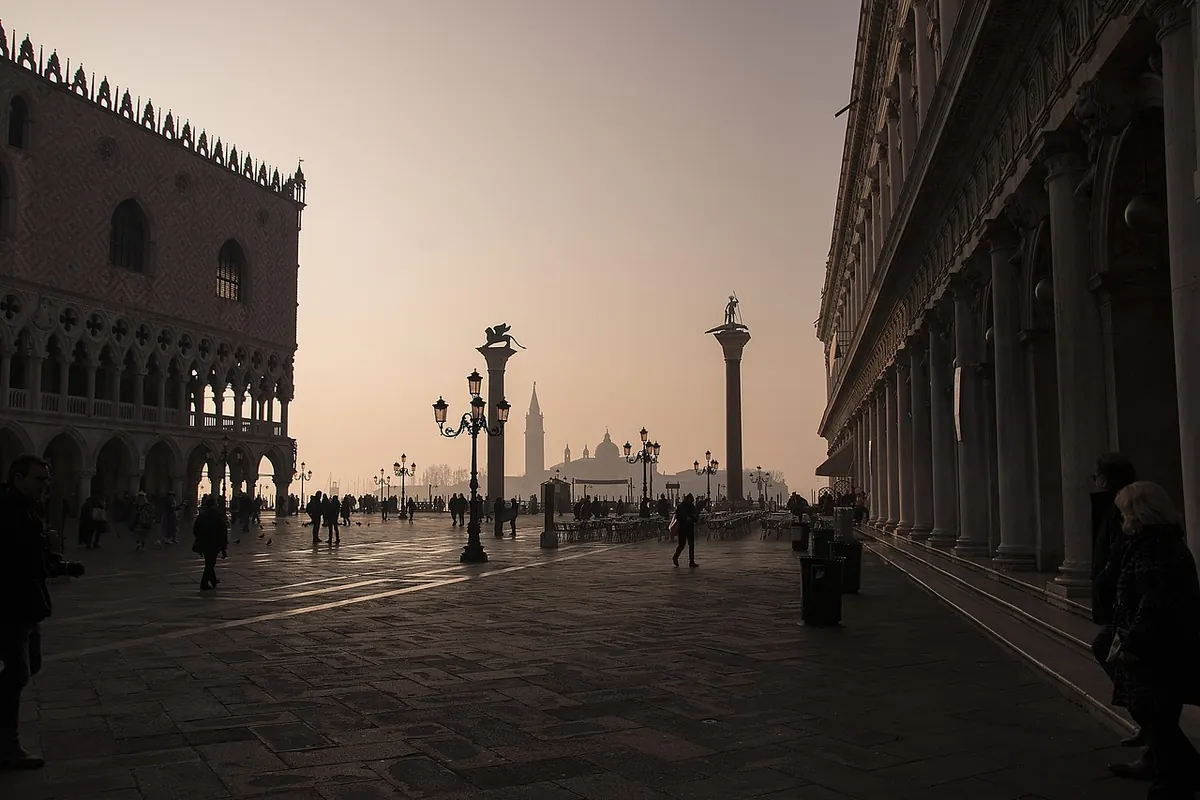
At half past seven on a Sunday, the piazza is still in shadow and mostly empty. The first sound is not the church bells but the metal shutter of the bar rolling up, then the scrape of a broom that has been doing the same circuit of the same stones for years. By eight, two men are at the counter with espressos they will finish in under a minute. By nine, the square belongs to families. By noon, there is not a free chair.
None of this is organised. There is no committee, no programme, no notice taped to the glass. The tradition holds because enough people keep turning up, and because a handful of them have decided, quietly, to keep opening the shutters and setting out the chairs even on the Sundays when the weather argues otherwise.
The Anatomy of a Sunday Square
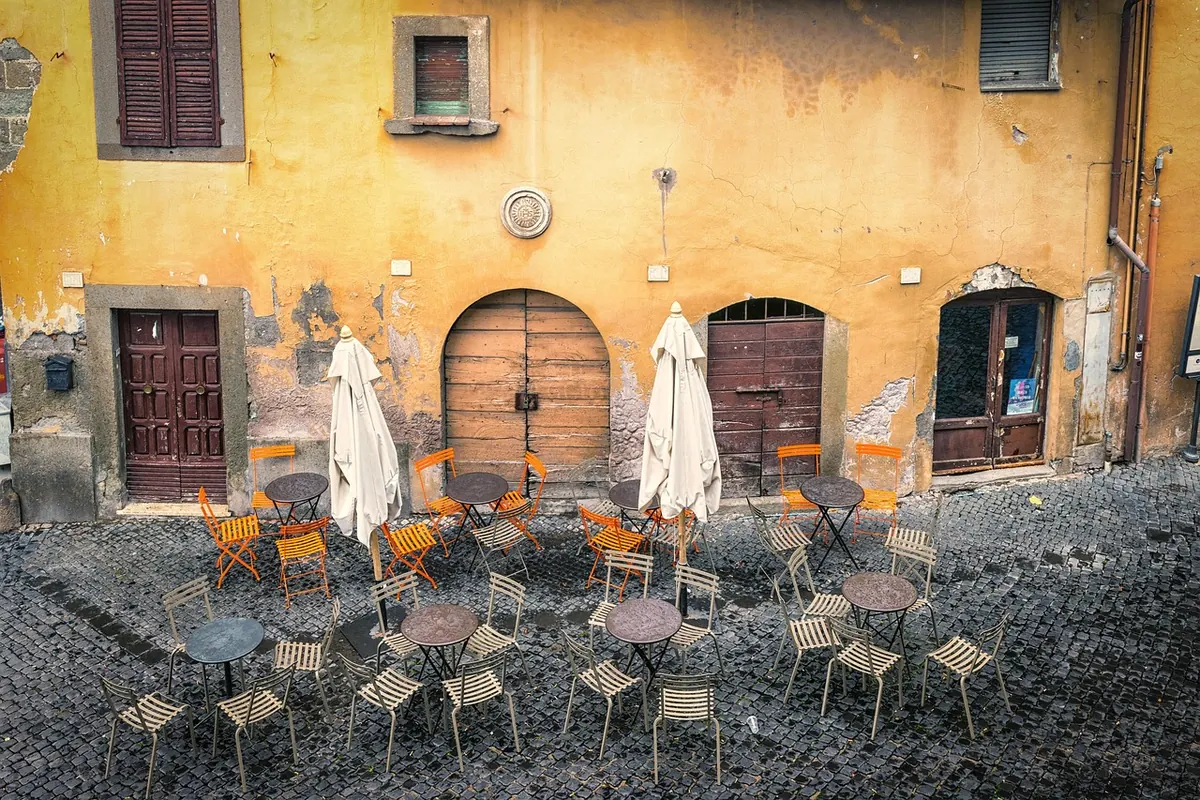
It is not a beautiful piazza in the postcard sense. The church takes up one long side, its facade patched with two different shades of plaster. The bar sits opposite, with six tables outside and a television inside that stays off until kick-off. On the third side there is a bakery, a grocery that opens for four hours and closes without warning, and a shop that has sold the same buttons and dusters for thirty years. Three lime trees, planted too close together, throw a patch of shade that moves across the stones like a clock hand.
The fountain in the corner has not worked since before anyone cares to remember, and the low wall around it has become the most contested seating in the neighbourhood. It is where the oldest residents sit, where teenagers lean, and where a child can be parked with a piece of focaccia while an adult drinks a coffee twenty steps away.
What Sunday Actually Looks Like, Hour by Hour
The rhythm is close to fixed, and anyone who lives here could recite it. Arrive at the wrong hour and the square seems shut; arrive at the right one and you understand why people stay.
- Seven to eight. Shutters up, chairs out, the first sweep. Two or three regulars at the counter, standing, no conversation beyond the essentials.
- Eight to nine. The bread queue. Not long, but slow, because everyone in it has something to report. This is the hour when news travels without anyone deciding to spread it.
- Nine to ten. Families cross the square for mass. Children are dressed slightly too well and are already uncomfortable. Somebody's grandmother inspects somebody else's granddaughter and pronounces her grown.
- Ten to eleven. The second coffee — the long one. Taken sitting down, with a newspaper, or with the person you met in the bread queue and had not finished talking to.
- Eleven to twelve. Aperitivo begins at the tables that catch the sun. A bowl of taralli appears, a plate of olives, sometimes a slice of cake cut into squares too small to count as a portion.
- Twelve thirty. The square empties in ten minutes. Lunch is at home, and it is not a quick one.
- Half past three. The passeggiata restarts on the other side of the digestive pause. The walk, the ice cream, the sitting on the wall.
The Rules Nobody Wrote Down
Every square this old runs on a set of small agreements. Nobody enforces them. Everybody knows them, and breaking one earns a look rather than a telling-off.
- The wall around the fountain belongs to whoever is oldest, and it is yielded without discussion.
- Tables outside the bar are first come, first served — but you do not take a table set for six if there are two of you and the square is filling up.
- At the bakery, the queue is the queue. Being recognised by the person behind the counter does not move you forward, and attempting it will be remembered.
- Children circulate. Half the adults in the square are watching them, and none will admit to it.
- You greet the person, not the group. A nod, a "buongiorno", and you keep moving.
Keeping the Shutters Up
A Sunday tradition is a small business decision repeated every week. The bar opens because one person gets up early; the bakery bakes because somebody decided on Saturday night that it was worth the alarm. These are not grand gestures. They are the whole mechanism.
What sustains them is habit, and habit is fragile in a specific way: it takes only a few closed Sundays for people to stop expecting an open one. Once that expectation goes, the square fills with nothing at all — quiet, parked cars, the occasional visitor photographing a place that looks abandoned and is merely having lunch.
So the practicalities matter more than the sentiment. A shorter Sunday menu. One member of staff opening instead of three. Opening later in winter and saying so plainly rather than opening unpredictably. Unglamorous choices, made by people who understand that the crowd is not the reward for opening; it is the result of it.
The People Who Carry It
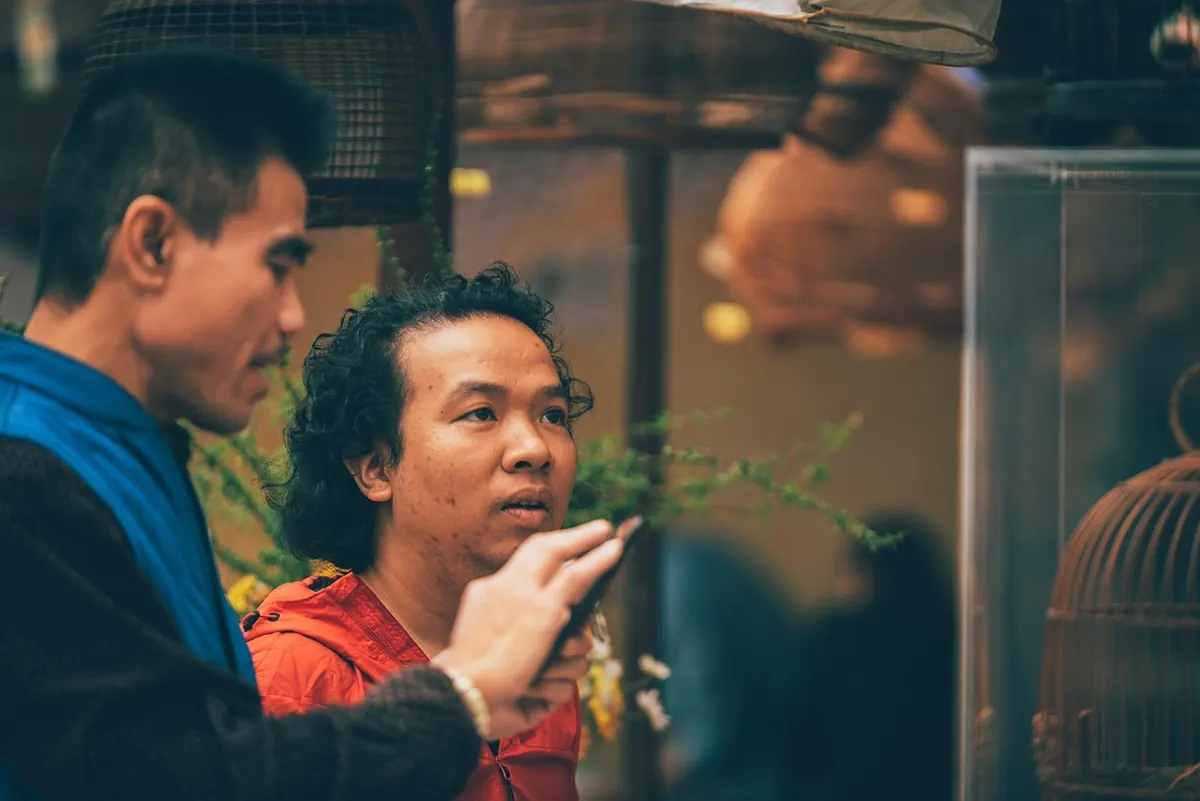
Look at who is actually in the square at eleven o'clock and you see the shape of the place. The card players at the far table, who have occupied it since the 1980s and deal in near-total silence. The widow who comes for the morning coffee and stays for the second one, because the bar is where the day has a shape. The adult children back from Milan or Rome for the weekend, drinking their espresso standing up, in the way they learned here and never lost. The child on a bicycle, wobbling between the tables, learning that the stones are uneven.
The honest difficulty is arithmetic. Many of the people holding this together are in their seventies. The tradition does not survive on their commitment alone; it survives when somebody in their thirties takes the Sunday shift, or when a family that moved to the outskirts keeps driving back for the bread. Continuity here is not nostalgia. It is a rota.
How to Spend a Sunday in a Piazza Like This
If you find yourself in a square with this kind of rhythm, the way in is not complicated, but it takes a little patience.
- Arrive before nine. The square tells you more in the bread queue than it will at midday.
- Buy something. A coffee, a loaf, an ice cream. Sitting on the wall without spending anything is tolerated in visitors and resented in regulars.
- Stay longer than feels natural. The second coffee is the whole point. Order it and stop checking the time.
- Learn three greetings and use them. Buongiorno, buonasera, and a nod will carry you a long way.
- Do not photograph people's tables. The square is not a set, and the people at those tables are not scenery.
- Come back the following week. That is how you stop being a visitor: not by introducing yourself, but by reappearing until the barista remembers your order.
Nothing in this square appears in a guidebook, and no festival will keep it going. It will be kept going by the person who sets an alarm for six thirty, unlocks the door, and puts the chairs out on a Sunday when it might rain.
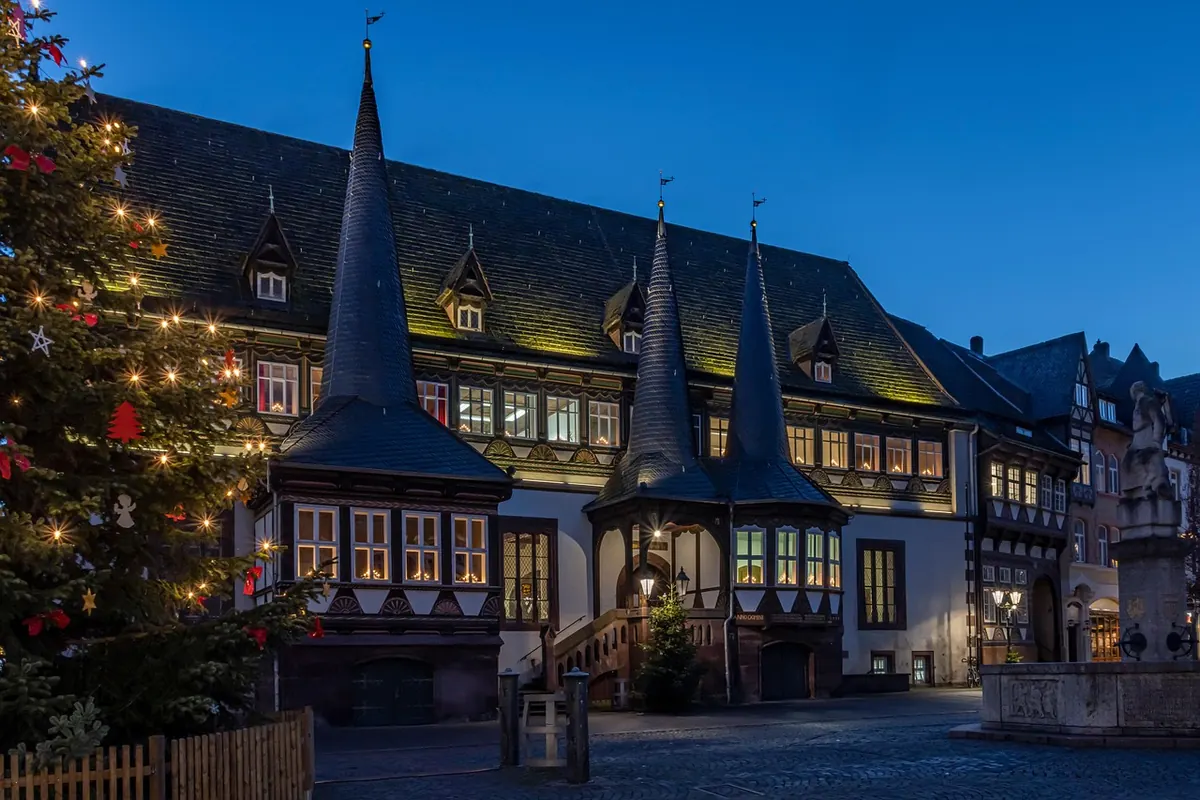
Photo: IngeGG / Pixabay
You Might Also Like
A hour-by-hour guide to the Italian piazza, from the sweepers at dawn and the commuter crush to the gelato queue, the dinner tables and the last lingering customers.
A practical guide to opening conversations in an Italian piazza — the timing, the first sentence, the listening habits, and the graceful exit that turn a passer-by into a welcome presence.